The Hebrides in the Antipodes
On a windswept Tasmanian island, Furneaux Distillery is building Australia's most distinctly maritime whisky — one peat bog at a time.
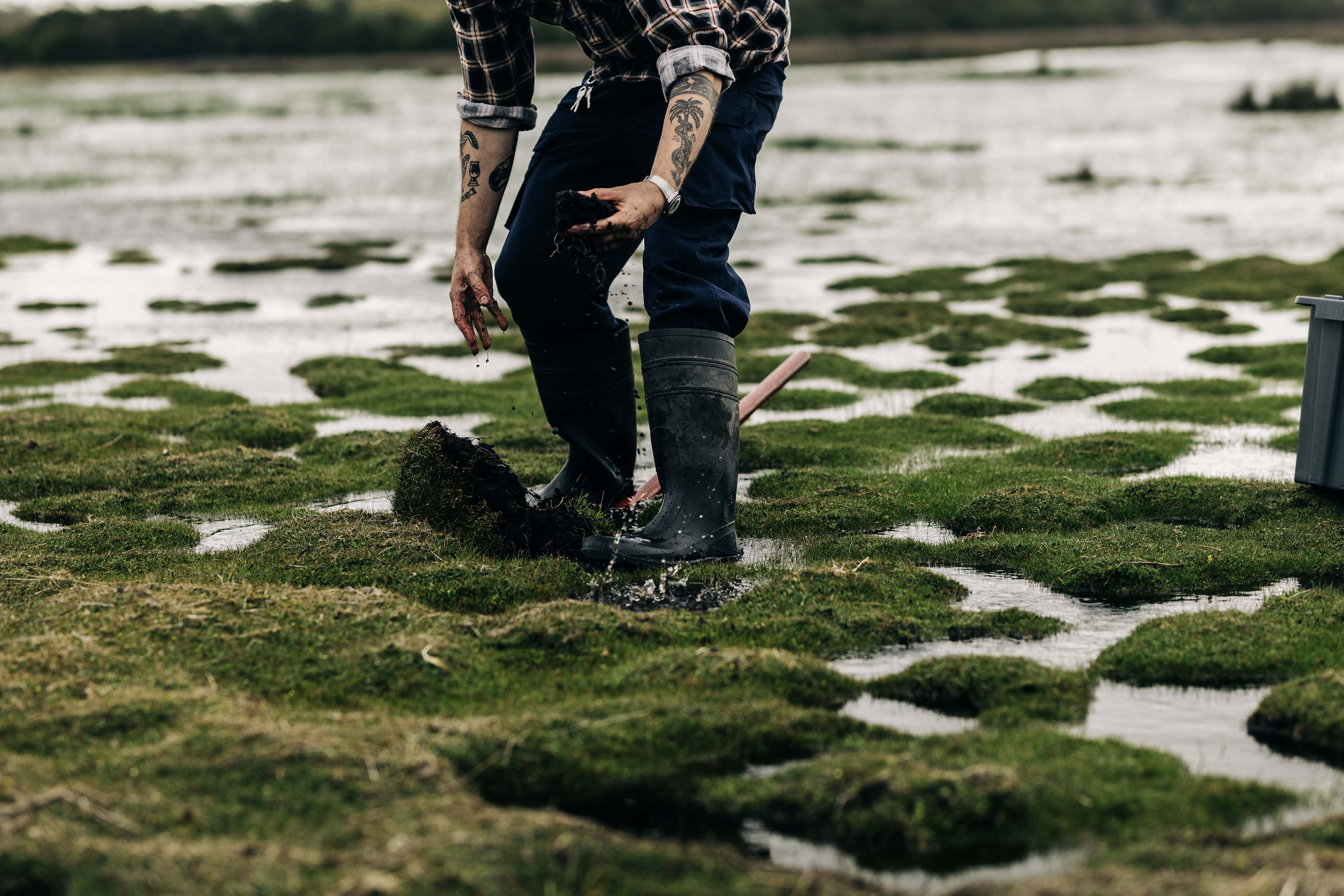
Across the windswept waters of Bass Strait there is an outpost of Hebridean creativity. Flinders Island is a faraway place, battered by the legendary Roaring Forties that surge from the west to leave almost everything at a permanent tilt. It seems almost inevitable that this is where you would find the people willing to go out and make some of the most remarkable whisky in Australia.
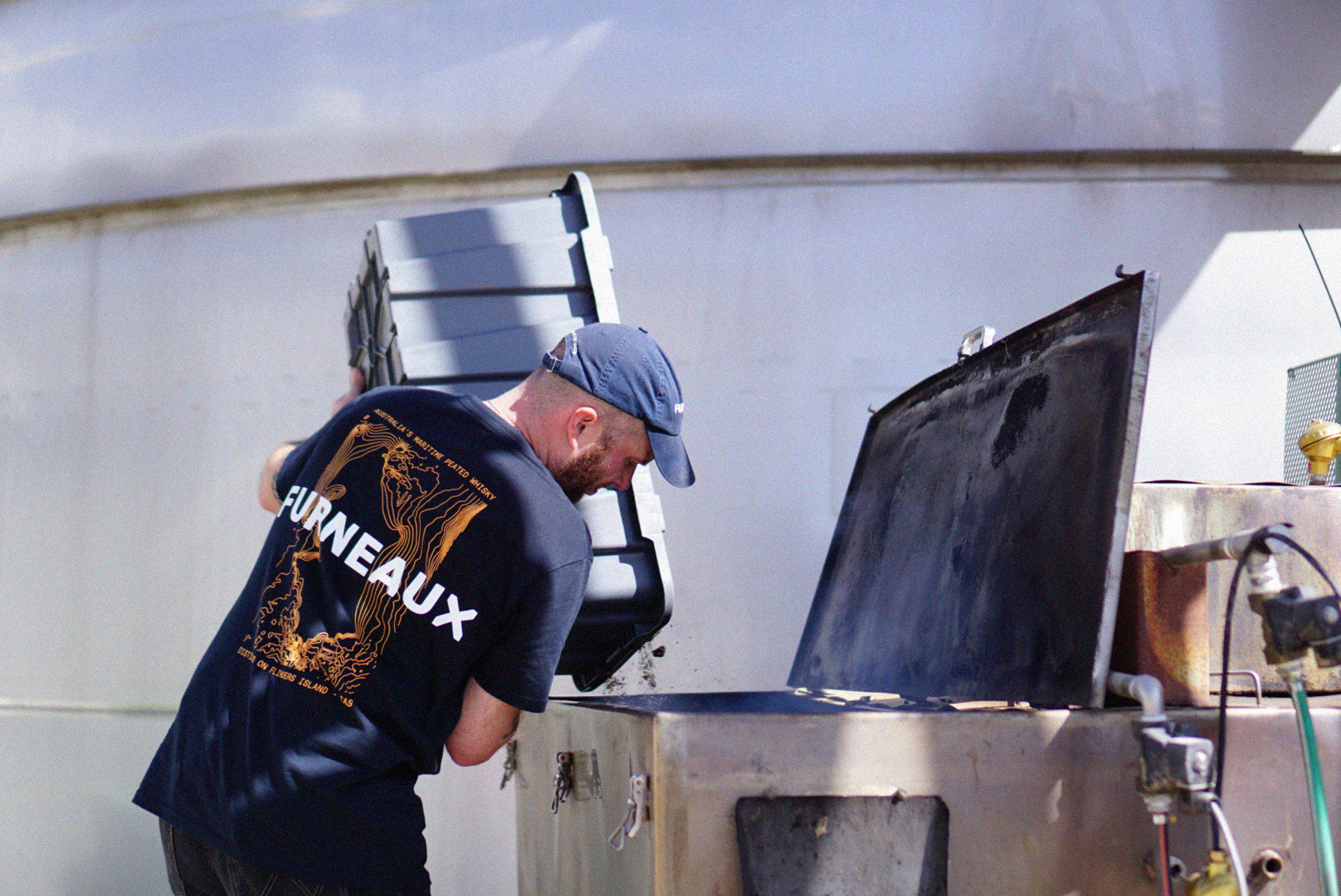
Furneaux Distillery, settled on the northeast of the island, is almost an embodiment of the place itself. With a single weekly ship connecting it to Launceston, much has always had to be made of little.
Although seemingly inevitable, it took owners and childhood friends Damien Newton-Brown and Howard McCorkell a trip to the legendary Isle of Islay to recognise what lay back home — across the narrow sea between Flinders Island and the Tasmanian coast. Visiting Laphroaig and Kilchoman, they found their mirror image: a windswept island, rich in coastal peat, producing whisky shaped entirely by its place.
Back on Flinders, the distillery found its third essential voice by chance. Tom Ambroz was visiting for the annual Crayfish Festival when a beach conversation with Damien changed the trajectory of both their lives. "It wasn't until I spent two weeks on the island during the Crayfish Festival that I realised how truly amazing it was, and that I wanted to pursue the opportunity to make peated whisky here," Tom recalls. "Six months after that first meeting we had packed up in Hobart and were commissioning the new stills on the island."
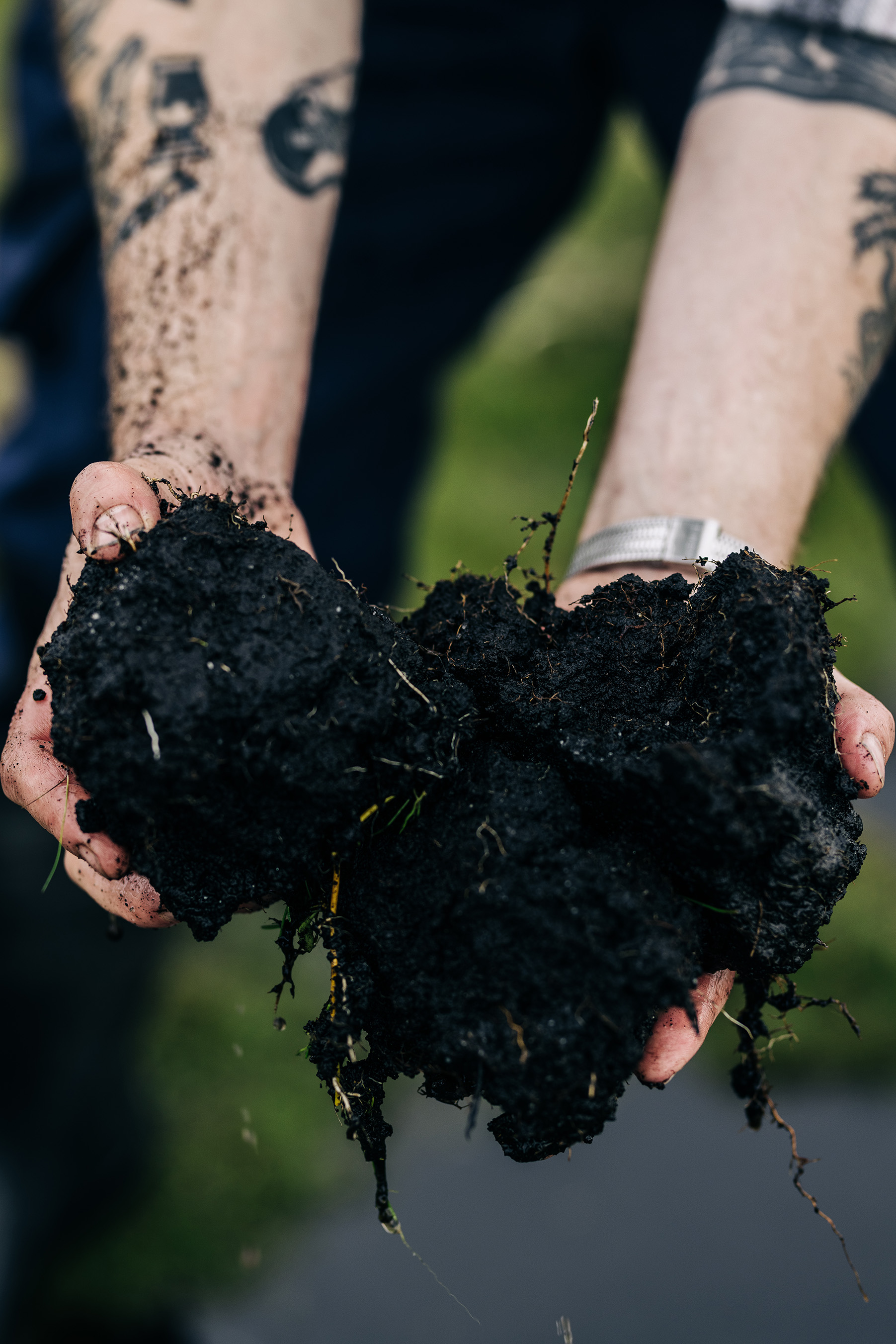
The island lends an entirely unique Australian texture to their whiskies. "Our peat bogs are in what's called saline aquatic herbland — the vegetation of which is mostly saltgrass, succulents, tussocks and melaleuca — which all have a distinct salty and aromatic note," Tom explains. The contrast with Scottish peat gives their whiskies a softer, more maritime smoke profile.
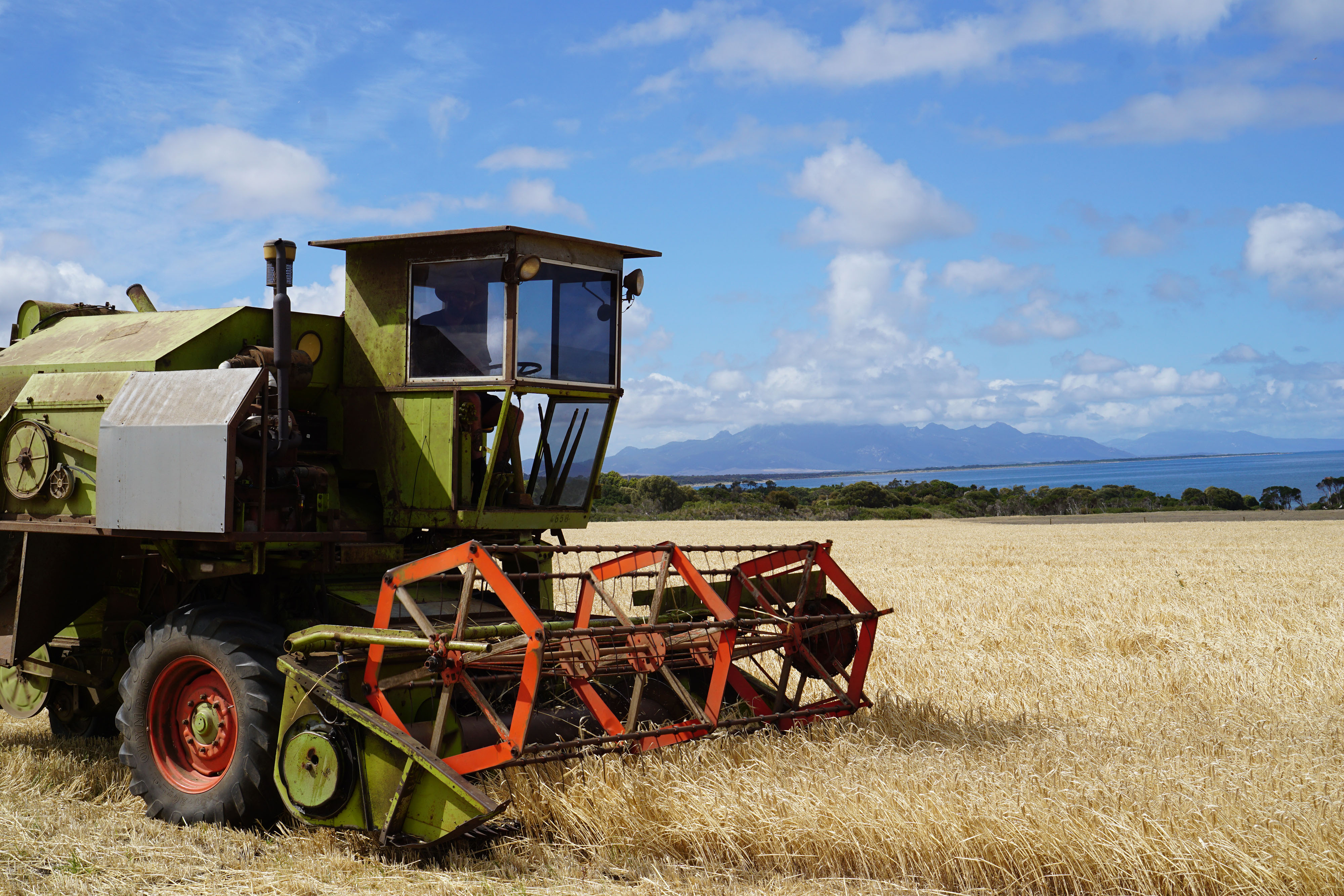
That self-sufficiency extends deep into production. The team began farming their own grain in 2023 and have already brewed and distilled their first fully estate-grown spirit. "We are currently in the process of floor-malting and peating onsite, and are developing our malthouse so no grain has to leave the island to be turned into spirit," says Tom. It is a genuinely rare ambition in Australian distilling.
Furneaux is the embodiment of a new Tasmanian whisky — bold, irreverent, and untethered from the centuries of tradition that keep the old-world producers fixed in their ways. Tom wears that distinction with pride. "I was born in Hobart and am very proud to be Tasmanian. We have an amazing whisky industry in Tassie, with some wonderful, hard-working people that we're lucky enough to call friends. That being said, by nature of our isolation there will always be a distinction that exists. But we're proud to be one of the diverse geographical regions which makes up Tasmania's beauty."
The island's remoteness — and the distillery's uniqueness — mean that visitors are a special breed of adventurers. "People who come to visit us specifically are the most fun to host — they are searching for something unique and real, and I hope that's what they find. There's a thing on Flinders Island about visitors versus tourists," says Tom. "Visitors connect — tourists consume. We don't get many of the latter on the island thankfully. We get people who can appreciate that life moves differently here."
From building an enclave of Hebridean style to finding ever new ways to improve and build on a new wave of Australian whisky, Furneaux Distillery shows just what can be done when time, patience and place come together.